
Nexus Darknet — In-Depth Platform Overview
Nexus Darknet represents a third-generation darknet marketplace design, incorporating lessons from earlier platforms that suffered exit scams, law enforcement takedowns, and OPSEC failures. The platform launched in 2024 and has established itself as a technically robust, privacy-first marketplace operating on the Tor network.
This analysis covers platform architecture, security systems, vendor onboarding, escrow mechanics, and dispute resolution — drawn entirely from open-source publications, community research, and publicly disclosed platform documentation.
The design philosophy prioritizes user anonymity at every layer: network access requires Tor, communications require PGP encryption, financial transactions are conducted in privacy-preserving cryptocurrencies, and operational procedures are designed to minimize data retention. Understanding how the Nexus onion platform operates helps users make informed security decisions.
// 12 CORE FEATURES
Platform Capabilities and Design Architecture
// VENDOR SYSTEM
How Does the Nexus Vendor System Work?
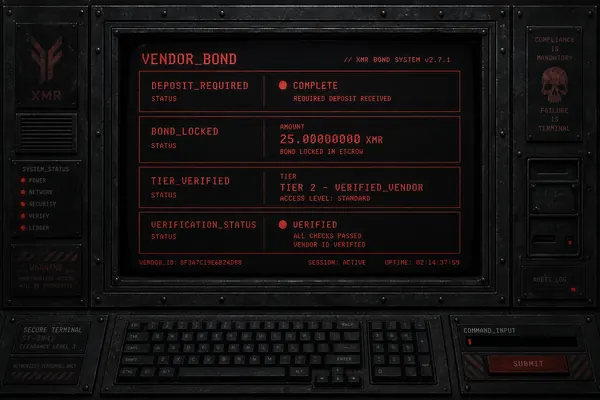
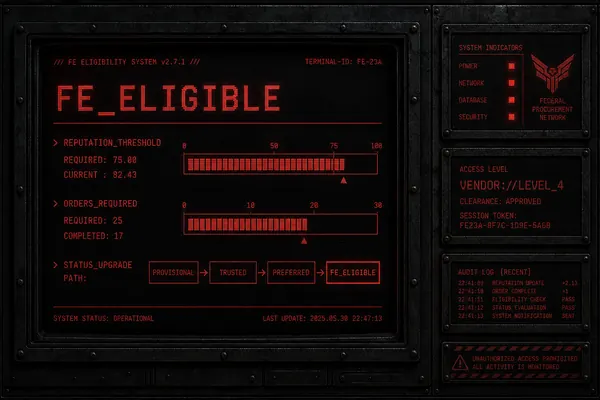
Vendors on Nexus Darknet Market must complete a multi-stage onboarding process before publishing listings. The process is designed to prevent low-effort scam operations while remaining accessible to legitimate vendors with a track record on other platforms.
Onboarding Requirements
- Valid PGP keypair uploaded to profile
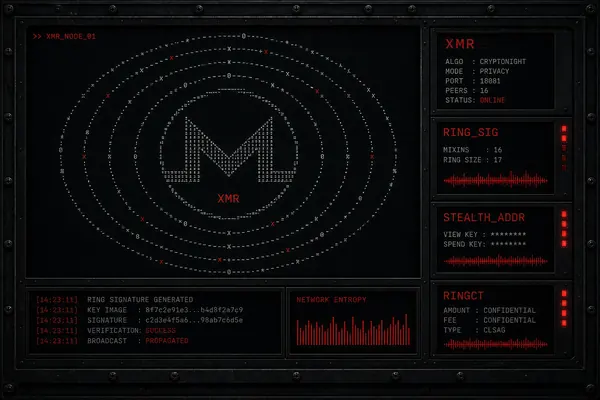
- XMR vendor bond deposited (amount varies by category)
- Completed vendor application reviewed by moderators
- Minimum account age before vendor status is granted
Listing Standards
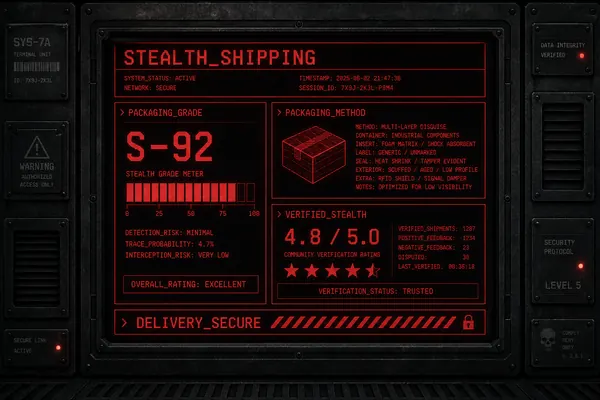
Each listing must include accurate product descriptions, stealth shipping methodology, realistic delivery timeframes, and clear refund policies. Moderators conduct periodic audits of active listings against community-reported feedback.
// ESCROW MECHANICS
Understanding the Multi-Signature Escrow System
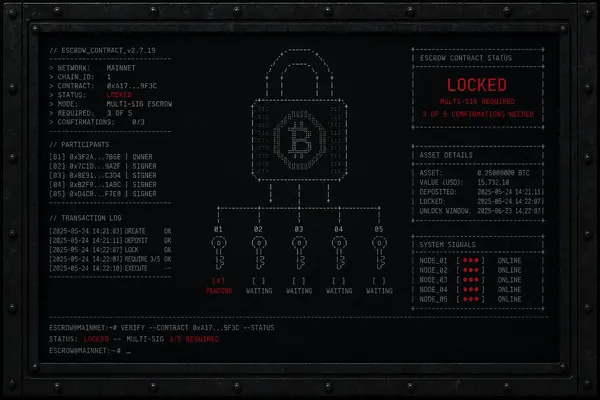
Escrow is the cornerstone of trust in darknet marketplace transactions. Rather than sending payment directly to a vendor, funds are held by the platform in a multi-signature wallet requiring agreement from multiple parties before release.
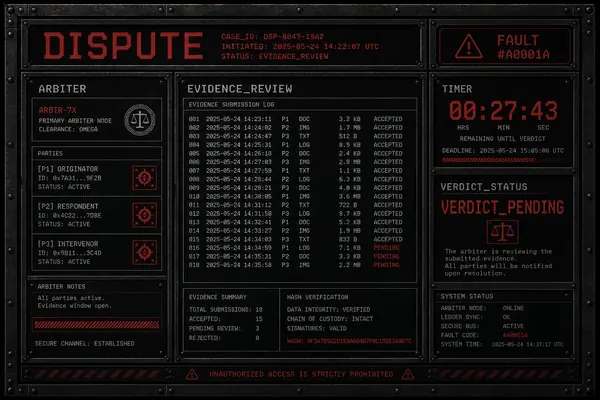
On Nexus Darknet, the standard escrow flow works as follows: the buyer deposits the agreed amount into the escrow wallet. Upon order confirmation from the buyer, the platform releases funds to the vendor. If a dispute arises within the auto-finalization window, a moderator reviews the case and issues a binding decision that directs the escrow release.
This architecture means neither a rogue admin nor a scam vendor can unilaterally access escrow funds without completing the required signature verification steps — a significant improvement over single-signature custodial systems used by earlier markets.
// SECURITY ARCHITECTURE
Platform Security Design Principles
Nexus is architected around the principle of minimal data retention. The platform does not require users to provide any personally identifying information to register. Usernames, passwords (stored as hashed values), and PGP keys constitute the entirety of account data.
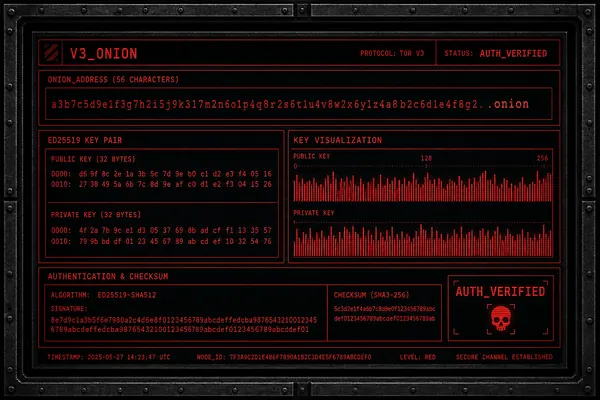
All server infrastructure operates exclusively on the Tor network. There are no clearnet mirror addresses that could reveal hosting provider information or server IP addresses. The v3 onion architecture ensures that even Tor relay operators cannot determine which server a user is connecting to.
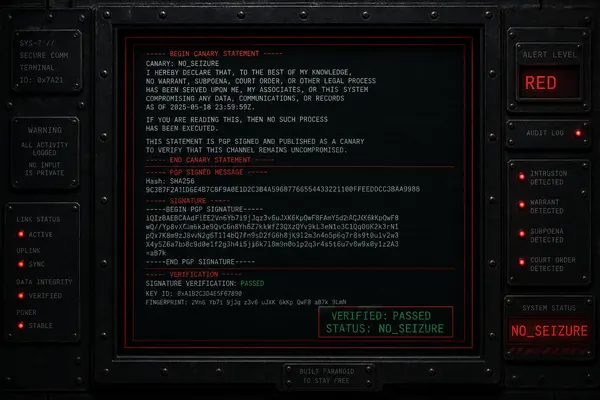
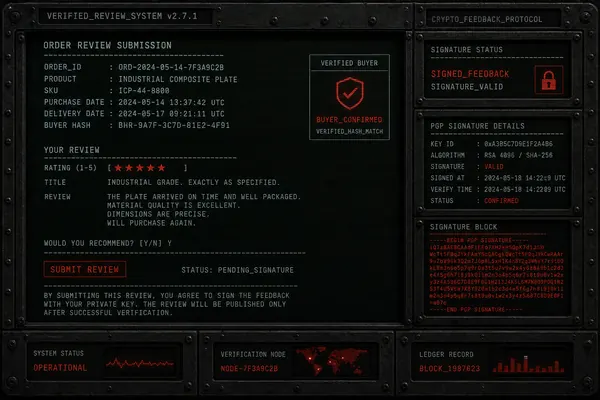
Communications between users are end-to-end encrypted via PGP before reaching Nexus servers. The platform cannot decrypt message content even if compelled to disclose data. This design provides meaningful protection against server compromise scenarios. Read the OPSEC guide for user-side security practices that complement the platform's infrastructure protections.