
Nexus Darknet
Nexus Darknet is one of the most prominent Tor-based marketplaces operating on the dark web as of 2025. This resource provides open-source information about the platform's structure, access methods, security practices, and cryptocurrency payment systems — assembled strictly for educational and informational purposes.
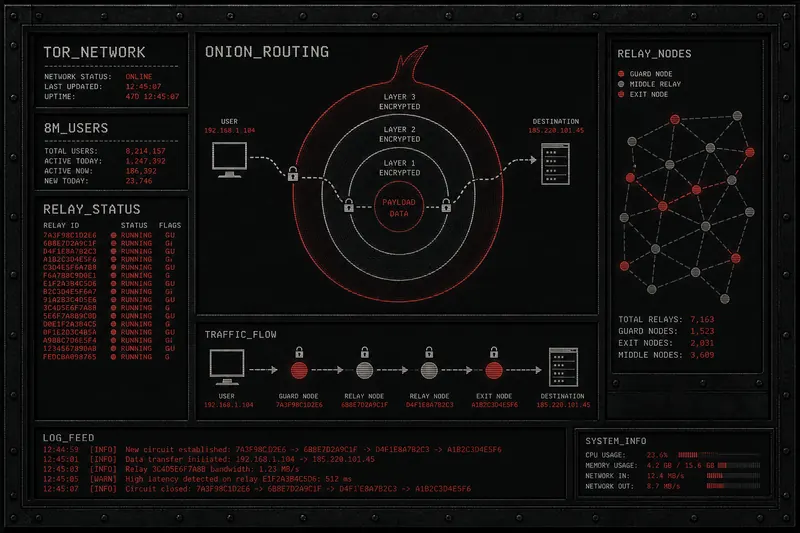
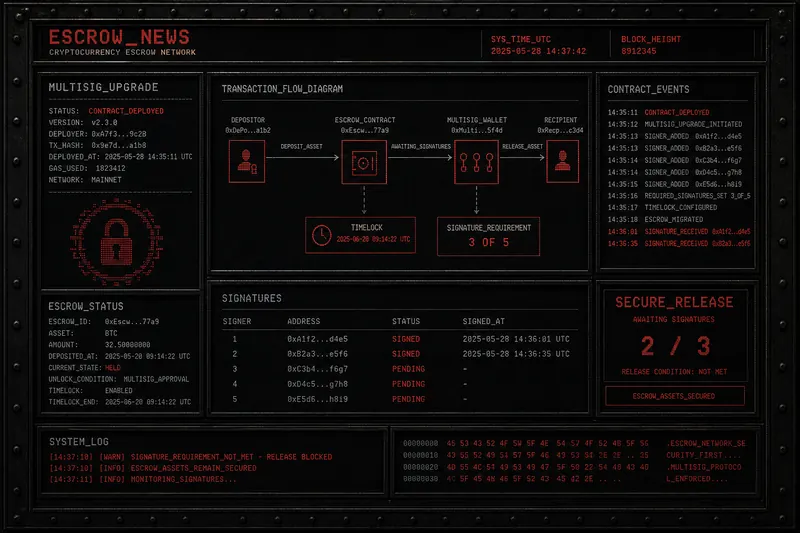
The marketplace operates exclusively through verified onion mirrors, requiring the Tor Browser for access. It features a multi-vendor model with escrow, PGP-enforced communications, and support for privacy-focused cryptocurrency payments including Monero, Bitcoin, and Litecoin.
Whether you are researching darknet market structures, evaluating operational security practices, or studying privacy-preserving payment systems, this site provides structured, factual information sourced from open-access publications and community disclosures.
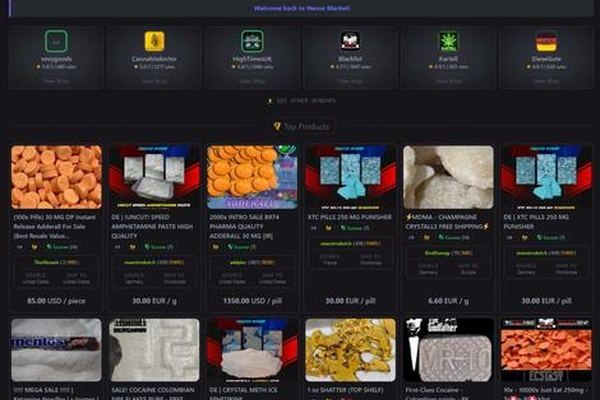
// MARKET FEATURES
Core Platform Capabilities
The platform combines technical infrastructure with operational policies designed to protect both vendors and buyers within the darknet marketplace ecosystem.
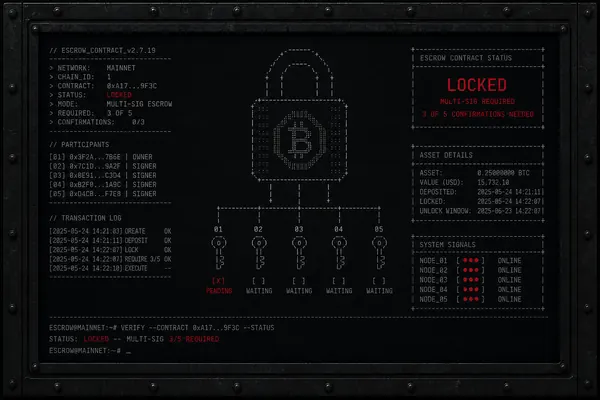
// CRYPTO PAYMENTS
What Cryptocurrencies Does Nexus Accept?
Cryptocurrency emerged in 2009 with Bitcoin's whitepaper introducing decentralized peer-to-peer electronic cash. Since then, the ecosystem has expanded to include privacy-focused alternatives that address Bitcoin's transparent ledger design. Privacy coins use cryptographic techniques to obscure sender, recipient, and transaction amounts — a critical feature for anyone prioritizing financial anonymity.
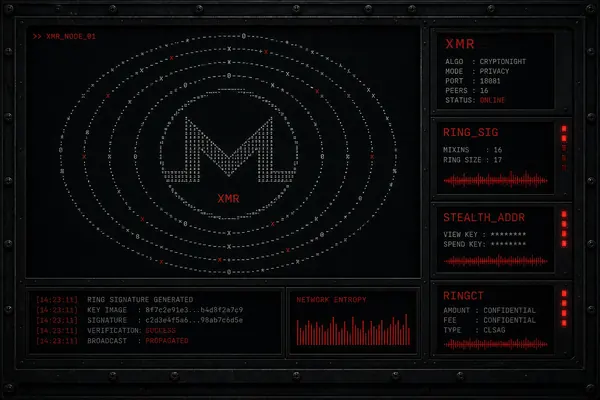
Nexus Darknet Market accepts three cryptocurrencies: Monero (XMR), Bitcoin (BTC), and Litecoin (LTC). XMR stands apart due to its mandatory privacy model — unlike BTC and LTC where privacy is optional and incomplete, every Monero transaction is private by default through ring signatures, stealth addresses, and RingCT.
XMR is strongly preferred on Nexus due to its mandatory privacy model. Bitcoin and Litecoin transactions are publicly visible on their respective blockchains — chain analysis firms can link wallet addresses to real-world identities with moderate effort. See the XMR guide for acquisition and usage details.
Read the full cryptocurrency guide covering privacy coin history, comparison, and recommended usage patterns.
// MARKET NEWS
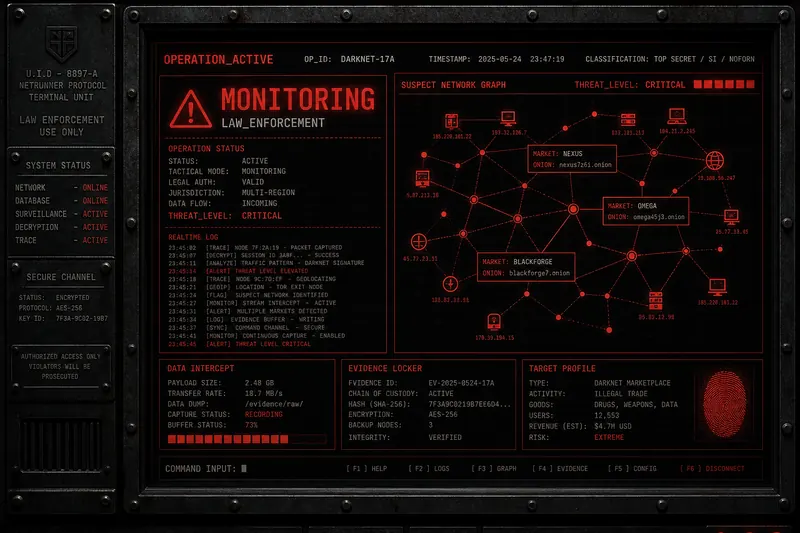
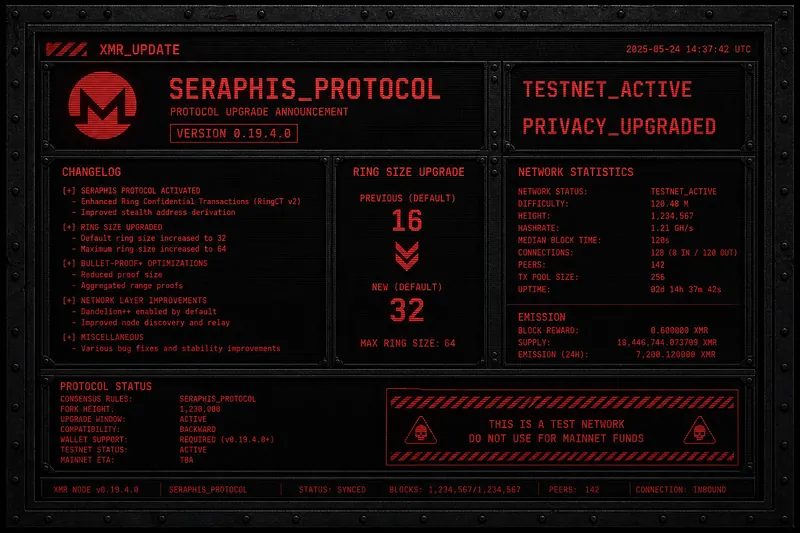
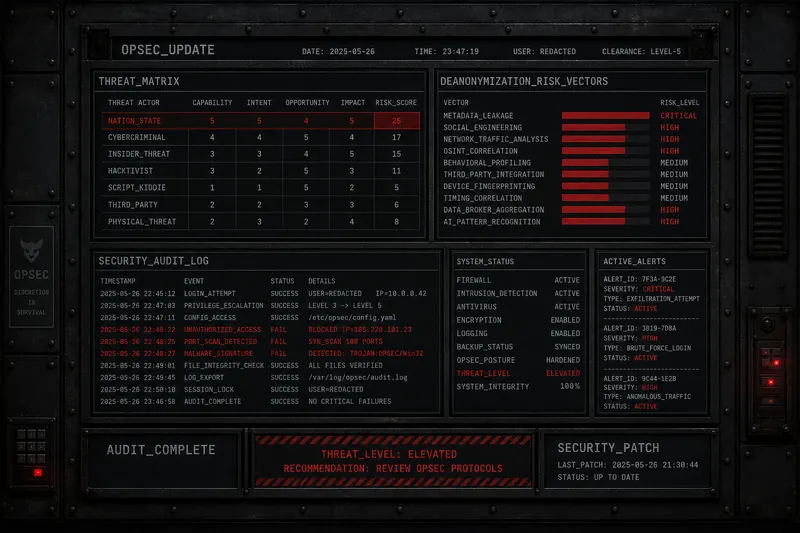
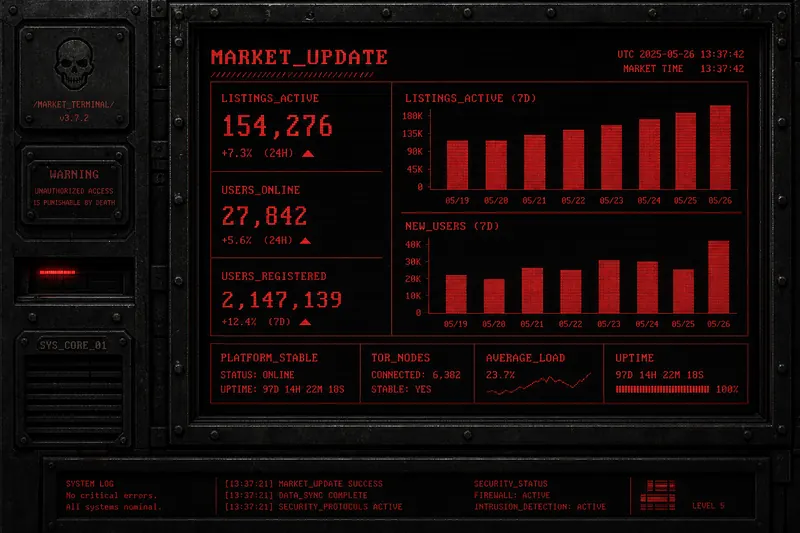
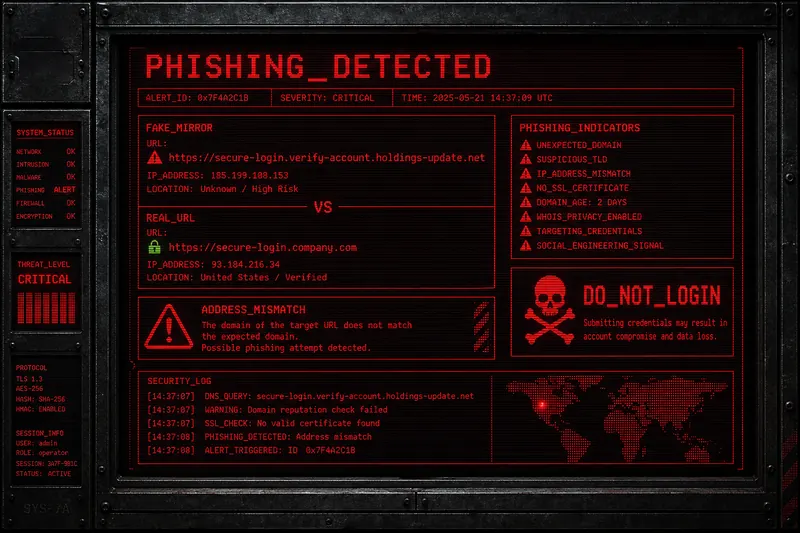
Recent Darknet Market Updates
// HARM REDUCTION
Drug Safety Fundamentals
Harm reduction is a public health framework that aims to minimize risks associated with drug use without requiring abstinence. The following principles are derived from established harm reduction organizations including DanceSafe, The Loop, and Transform Drug Policy Foundation.
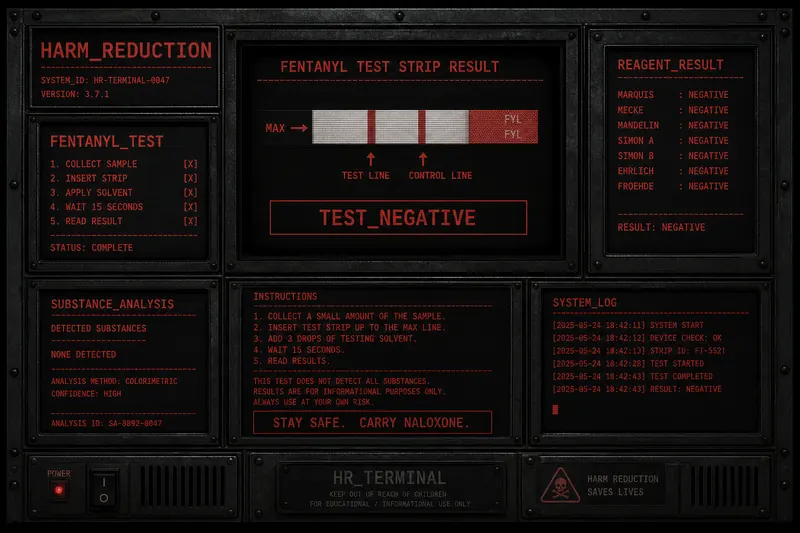
- Test before use. Fentanyl test strips and reagent kits identify dangerous adulterants. Never skip testing with substances purchased through any channel.
- Start low, go slow. Unknown potency is the primary cause of overdose. Begin with a fraction of the intended dose and wait for full effects.
- Never use alone. Have someone present or use the Never Use Alone hotline (1-800-484-3731 in the US) to ensure emergency response if needed.
- Carry naloxone. Naloxone (Narcan) reverses opioid overdoses. It is available without prescription at most pharmacies in North America and Europe.
- Avoid mixing substances. Polydrug combinations — especially central nervous system depressants — significantly multiply overdose risk.
Read the full harm reduction guide covering individual drug risk profiles, overdose response, and support resources.
// OPSEC GUIDE
Why Operational Security Matters
Operational security (OPSEC) is the discipline of protecting sensitive information and activities from adversarial observation. On the darknet, OPSEC failures — not technical platform vulnerabilities — account for the majority of user identifications by law enforcement.
What Helps You Stay Anonymous?
- Tor Browser — always use the latest version. Never modify default settings aggressively.
- Tails OS — an amnesic operating system that leaves no traces on the host machine. Boot from USB; every session starts fresh.
- Whonix — dual-VM architecture isolating your working environment from the Tor gateway. Significant protection against deanonymization attacks.
- Air-gap devices — dedicated hardware used exclusively for darknet activity, never connected to your identity or regular internet accounts.
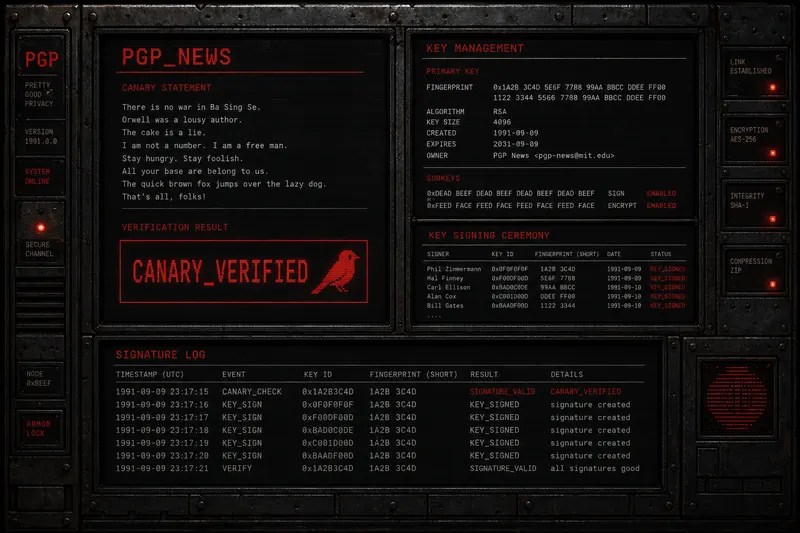
- PGP encryption — encrypt all sensitive communications. Never send plaintext addresses or personal data.
Critical Red Flags to Avoid
- Accessing .onion sites outside Tor Browser
- Reusing usernames across platforms
- Logging in from home IP without Tor active
- Discussing darknet activity on clearnet forums
- Using custodial exchanges to fund darknet wallets directly
Read the complete OPSEC guide with tools, red flags, and step-by-step anonymity practices.
// ANTI-PHISHING
How to Avoid Phishing Pages
Phishing sites impersonating darknet markets are pervasive and technically sophisticated. They replicate legitimate market interfaces to steal login credentials and wallet funds. Key protection practices:
- Only access onion addresses from verified, PGP-signed sources
- Bookmark verified links — never search for .onion URLs via clearnet search engines
- Verify the full 56-character v3 onion address character by character before logging in
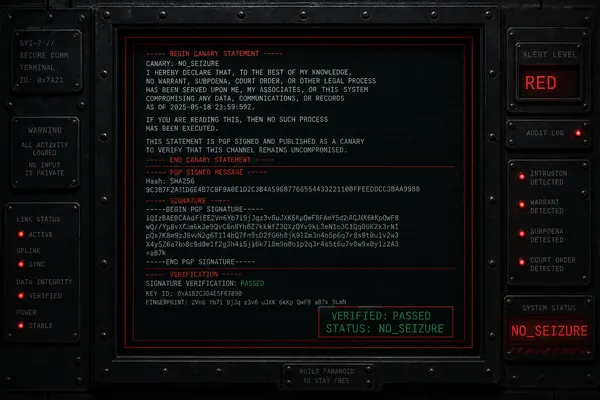
- Check the Nexus official canary signature before each session
- Never enter credentials on a site that didn't load via Tor with a verified onion address